





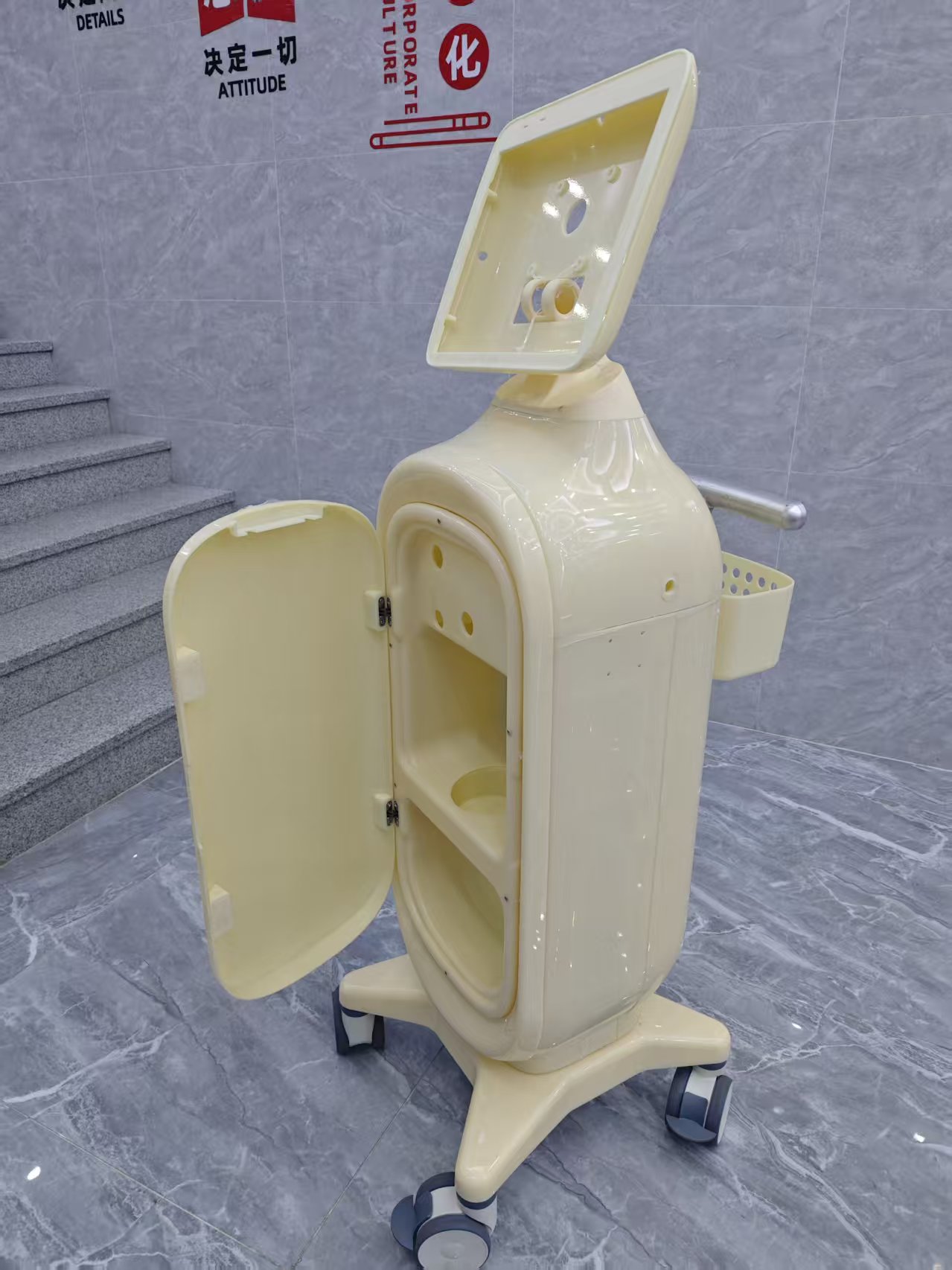
The Comprehensive Guide to Large-Width ABS Sheets: Applications, Benefits, and Selection Tips

The Comprehensive Guide to Large-Width ABS Sheets: Applications, Benefits, and Selection Tips

Large-Width ABS Sheets

Introduction to Large-Width ABS Sheets

ABS (Acrylonitrile Butadiene Styrene) is a widely used thermoplastic known for its excellent impact resistance, toughness, and ease of fabrication. Large-width ABS sheets, typically exceeding 48 inches in width, are specifically designed for applications requiring seamless, expansive surfaces without joints or seams. These sheets offer significant advantages over standard sizes, including reduced installation time, improved aesthetics, and enhanced structural integrity. Common widths range up to 72 inches or more, making them ideal for truck bodies, boat hulls, and large enclosures.

Key Properties and Benefits

Large-width ABS sheets inherit all the desirable properties of ABS material. They feature high impact strength, even at low temperatures, and good chemical resistance to many acids, alkalis, and oils. The material is also lightweight compared to metals, reducing transportation and handling costs. Additionally, ABS is easily thermoformed, machined, and glued, allowing for complex shapes. The large width minimizes the need for welding or bonding multiple sheets, thereby eliminating weak points and potential leak paths. This is critical in applications like water tanks or marine components where waterproof integrity is paramount.

Common Applications

Due to their robust nature, large-width ABS sheets are employed across various industries:

Automotive and Transportation: Used for truck bed liners, RV panels, and interior car parts. The large width allows for one-piece floor panels or sidewalls, providing durability and easier cleaning.

Marine Industry: Boat hulls, decks, and consoles benefit from ABS's water resistance and impact durability. Large sheets reduce seams, enhancing watertightness.

Construction and Architecture: Cladding, partitions, and roofing panels use ABS for its weather resistance and aesthetic finish. Large widths speed up installation on large projects.

Industrial Equipment: Machine guards, tanks, and enclosures require robust materials; ABS sheets can be fabricated into robust, corrosion-resistant components.

Other applications include signage, display cases, and prototyping where large, seamless surfaces are desired.

Factors to Consider When Choosing Large-Width ABS Sheets

Selecting the right sheet involves several considerations:

Thickness: Available from 0.030 inches to over 0.500 inches. Thicker sheets provide more rigidity and impact resistance but are heavier and more expensive. Determine the mechanical load and usage environment.

Surface Finish: Matte, gloss, or textured finishes affect aesthetics and scratch resistance. For cosmetic applications, gloss finishes are preferred; for functional parts, textured finishes hide scratches.

Color and UV Stability: Standard colors are black, white, and gray. For outdoor use, ensure the sheet contains UV stabilizers or paint with UV-resistant coating to prevent yellowing and degradation.

Flame Retardancy: Some applications require flame-retardant grades meeting UL94 V-0 or similar standards. Check specifications for fire safety compliance.

Thermoforming Capabilities: If deep-drawing or complex shapes are needed, verify the sheet's formability. Large-width sheets may require larger ovens and molds.

Supplier Reliability: Choose a reputable supplier who guarantees consistent dimensions, flatness, and material properties. Request samples and technical data sheets.

Installation and Fabrication Tips

Working with large-width ABS sheets requires proper handling. Always store sheets flat on a clean surface to prevent warping. Use sharp carbide-tipped tools for cutting to avoid chipping. When gluing, use solvent-based adhesives designed for ABS, and apply even pressure for strong bonds. For thermoforming, heat the sheet evenly in an oven at 300-350°F (150-175°C) until pliable, then form quickly. Allow slow cooling to minimize stress. Ventilation is important due to fumes during cutting or heating.

Cost Considerations

Large-width ABS sheets are generally more expensive per square foot than standard widths due to specialized extrusion processes and lower production volumes. However, the savings from reduced labor, fewer joints, and less waste often offset the higher material cost. Compare total installed cost versus standard sheets when budgeting.

Frequently Asked Questions

What is the maximum width available for ABS sheets?

Large-width ABS sheets can be manufactured up to 80 inches or more, but the common maximum is 72 inches. Custom widths may be available depending on the manufacturer.

Can large-width ABS sheets be used outdoors?

Yes, but they require UV stabilization to prevent degradation. Many suppliers offer UV-resistant grades, or you can apply a protective coating.

How do I clean large-width ABS sheets?

Use mild soap and water or isopropyl alcohol. Avoid abrasive cleaners that can scratch the surface.

Are large-width ABS sheets recyclable?

Yes, ABS is recyclable, but it must be separated from other plastics. Check with local recycling facilities for acceptance.

0
Inquire for more cooperation or product information.
We will contact you within 1 working day, please check your email.
The Comprehensive Guide to Large-Width ABS Sheets: Applications, Benefits, and Selection Tips
Name
Mail
Mobile phone
Message
Send

Great Rise

We reply immediately
Welcome to our website. Ask us anything 🎉

Start Chat with:
