





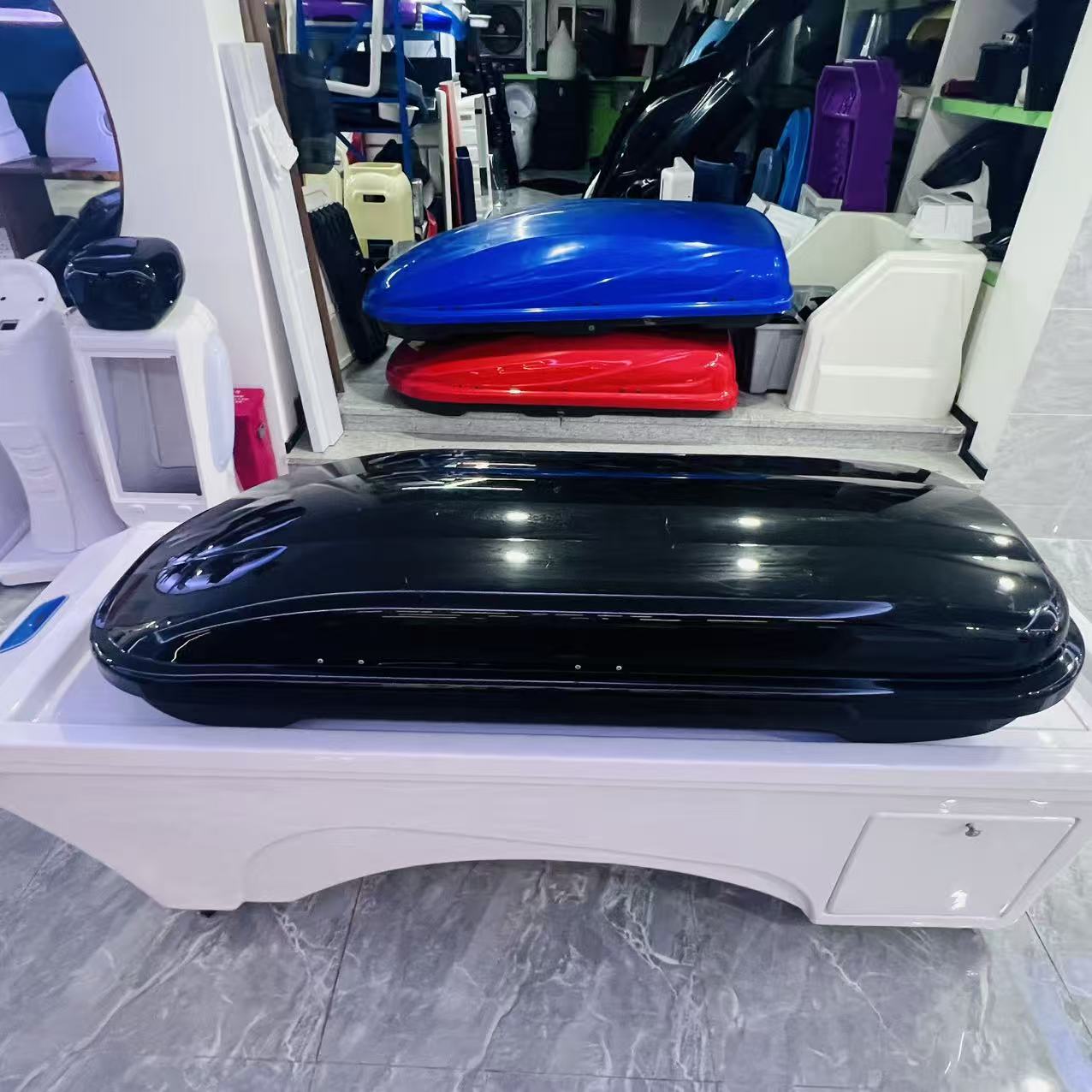
The Complete Guide to 1800mm ABS Sheet: Properties, Applications, and Buying Tips

What is 1800mm ABS Sheet?
1800mm ABS sheet refers to a sheet made from acrylonitrile butadiene styrene (ABS) with a width of 1800 millimeters. ABS is a tough, impact-resistant thermoplastic polymer that combines the strength of acrylonitrile and styrene with the rubbery toughness of butadiene. The 1800mm width is particularly popular for large-scale applications where seamless panels are required, such as in thermoforming, signage, and automotive interior components.
Key Properties of 1800mm ABS Sheet
ABS sheets offer a unique balance of mechanical, thermal, and aesthetic properties. The 1800mm format retains all these characteristics while providing larger coverage. Key properties include:
Impact resistance: ABS is known for its ability to absorb shocks without cracking, making it ideal for protective housings and luggage.
Rigidity and dimensional stability: The material maintains its shape under load and resists warping, even in varying temperatures.
Chemical resistance: It withstands mild acids, alkalis, and oils, though it may be attacked by strong solvents.
Surface finish: Available in glossy, matte, or textured finishes, ABS sheets can be painted, printed, or bonded easily.
Thermoformability: 1800mm ABS sheet can be heated and formed into complex shapes, making it a favorite for vacuum forming.
Common Applications of 1800mm ABS Sheet
Automotive Industry: Used for dashboards, door panels, and interior trim due to its durability and ease of molding. The 1800mm width allows for large, seamless sections.
Signage and Displays: ABS sheets are popular for outdoor signs, point-of-purchase displays, and exhibit booths because they are lightweight and weather-resistant.
Construction and Building: Employed for wall cladding, toilet partitions, and shower trays due to moisture resistance and easy cleaning.
Consumer Goods: Luggage shells, power tool housings, and refrigerator liners often use ABS sheet for its toughness and aesthetics.
Medical Equipment: Housings for diagnostic machines and patient monitors benefit from ABS's chemical resistance and ability to be sterilized.
Fabrication and Machining Tips
Working with 1800mm ABS sheet requires some care to avoid damage. Here are key tips:
Cutting: Use a fine-toothed saw blade or a CNC router with sharp tooling to prevent melting or chipping. Support the sheet well to avoid vibration.
Drilling and Routing: Drill at moderate speeds with a backing plate to reduce heat buildup. Coolant or compressed air can help keep the material cool.
Thermoforming: Heat the sheet evenly in an oven to around 140-160°C. The large 1800mm width requires a spacious oven and careful handling to avoid sagging. Use a vacuum forming or pressure forming method to achieve detailed molds.
Gluing and Bonding: Use solvent-based adhesives like MEK or cyanoacrylate for strong bonds. Surface preparation such as sanding improves adhesion.
Finishing: ABS can be painted with acrylic or polyurethane paints after priming. Flame treatment may be needed for better paint adhesion.
How to Choose the Right 1800mm ABS Sheet
Selecting the correct 1800mm ABS sheet involves considering several factors:
Thickness: Common thicknesses range from 1mm to 6mm. Thinner sheets (1-2mm) suit display panels, while thicker sheets (4-6mm) are used for structural applications.
Color and Finish: ABS is available in a variety of colors, including white, black, gray, and custom colors. Glossy finishes are aesthetic but show scratches, while matte finishes hide wear.
Fire Rating: For construction or transportation, look for sheets with fire retardant (FR) grades meeting local codes.
UV Resistance: Standard ABS degrades under prolonged sunlight. For outdoor use, choose UV-stabilized grades or apply a protective coating.
Supplier Reputation: Ensure the supplier provides consistent quality, dimensional tolerance, and material certifications. Request samples before bulk purchase.
Advantages and Disadvantages of 1800mm ABS Sheet
Advantages:
Wide availability and cost-effectiveness compared to polycarbonate or acrylic.
High impact strength makes it safe for applications where breakage is a concern.
Easy to fabricate with standard woodworking tools.
Recyclable, contributing to sustainability.
Disadvantages:
Poor UV resistance without special additives.
Limited temperature range (max continuous use around 80°C).
Susceptible to scratching compared to glass or polycarbonate.
Comparison with Other Materials
ABS vs. Polycarbonate (PC): PC is stronger and more transparent, but ABS is cheaper and easier to thermoform. PC is preferred for high-temp applications, while ABS suits lower-cost needs.
ABS vs. Acrylic (PMMA): Acrylic is clearer and more scratch-resistant, but it is brittle. ABS absorbs impact better and is safer for structural use.
ABS vs. HDPE: HDPE is more chemical resistant but less rigid. ABS offers better aesthetics and bondability.
FAQs
Can 1800mm ABS sheet be used outdoors?
Yes, but only if it is UV-stabilized or coated. Standard ABS will yellow and become brittle when exposed to direct sunlight for extended periods. For outdoor signage or cladding, choose a grade specifically designed for outdoor use.
How do I clean and maintain ABS sheets?
Clean with mild soap and water. Avoid abrasive cleaners or solvents that may attack the surface. For stubborn stains, use isopropyl alcohol or a diluted bleach solution (for white sheets). Rinse thoroughly and dry with a soft cloth.
Can 1800mm ABS sheet be painted?
Yes, with proper preparation. Lightly sand the surface to promote adhesion, apply a primer designed for plastics, and then use acrylic or polyurethane paint. Avoid lacquer-based paints that may cause crazing.
What is the maximum temperature for 1800mm ABS sheet?
Continuous use temperature is around 80°C (176°F). Short-term exposure to higher temperatures (up to 100°C) may be acceptable, but prolonged heat will cause deformation or degradation.
Is 1800mm ABS sheet food safe?
Some grades are FDA approved for food contact, but not all. If you need food contact, specify a food-grade ABS sheet, which is free from harmful additives and can withstand typical kitchen temperatures.
