





Mastering Thick Sheet Vacuum Forming: Techniques, Applications, and Best Practices

What Is Thick Sheet Vacuum Forming?
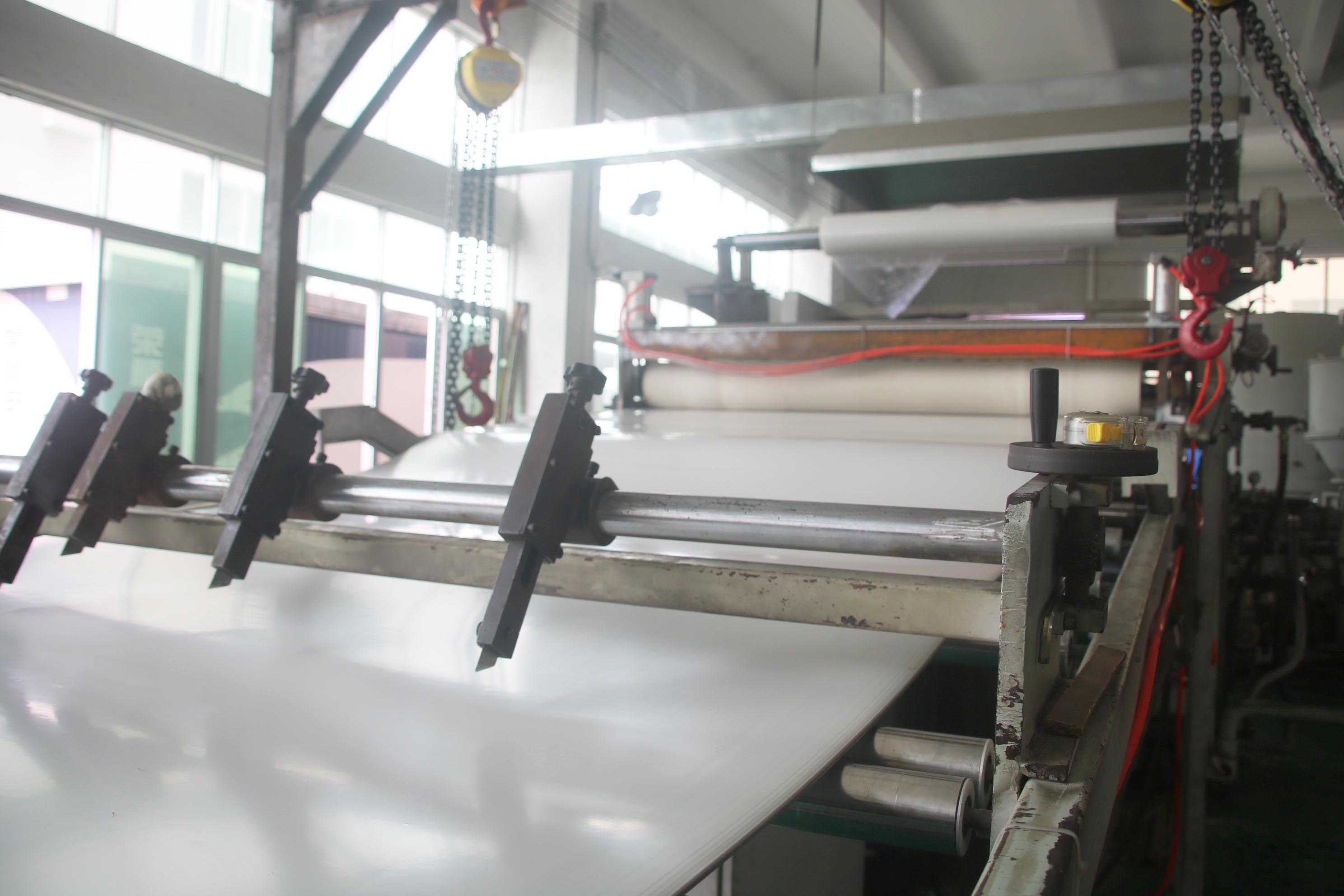
Thick sheet vacuum forming is a thermoforming process where a heated plastic sheet, typically 3 mm to 12 mm thick, is stretched over a mold and vacuumed to form a part. Unlike thin sheet forming, it produces robust parts with high impact resistance. The process involves clamping the sheet, heating it to a pliable state, forming with vacuum pressure, cooling, and trimming.
Key Materials for Thick Sheet Forming
Common materials include ABS (tough, good chemical resistance), polycarbonate (high impact strength, optical clarity), HDPE (cost-effective, food-grade), acrylic (UV resistant, aesthetic), and PETG (clear, easy to form). The choice depends on application needs like strength, temperature resistance, and cost.
Advantages Over Other Processes
Compared to injection molding, thick sheet vacuum forming offers lower tooling costs and faster turnaround for short runs. For low-volume production (100-5,000 parts), it is highly cost-effective. It also allows large parts like truck bed liners or bathtubs that would be impossible in injection molding.
Applications Across Industries
In automotive, it creates interior panels, dashboards, and exterior trim. In medical, it forms MRI covers and patient supports. Other uses include aerospace interior panels, agricultural tanks, and recreational vehicle parts. Its ability to produce strong, lightweight parts makes it ideal.
Design Considerations for Success
Features like draft angles (2-5 degrees), corner radii (at least material thickness), and uniform wall thickness are crucial. Undercuts are limited; they require movable mold sections. Proper venting ensures complete draw. The mold material (aluminum, wood, epoxy) must withstand heat and vacuum.
Process Optimization Tips
Heating time and temperature vary by material; use a pyrometer for accuracy. Uniform heating prevents thin spots. Vacuum hole placement (0.5-1 mm diameter) near deep draws improves detail. Cooling time affects clarity and shrinkage. Post-forming trimming can be done with CNC routers or waterjets.
Common Mistakes and How to Avoid Them
Common issues include webbing (bridging between features), thin areas (due to overheating or poor clamping), and warping (uneven cooling). Solutions: use proper sheet tension, adjust heater settings, and allow even cooling. Material selection not matching end-use can cause failure; test for temperature and chemical resistance.
常见问题
Q: What is the maximum part size for thick sheet vacuum forming?A: It depends on machine bed size. Common sizes range from 2x4 feet to 8x12 feet, with larger custom machines available.
Q: How does sheet thickness affect forming time?A: Thicker sheets require longer heating time (about 30-40 seconds per mm). They also need higher vacuum pressure and longer cooling.
Q: Can I form complex shapes with undercuts?A: Undercuts are challenging. They require split molds or silicone plugs. Simple undercuts with low depth can be formed with stretchable materials like polycarbonate.
Q: What is the typical cost of a thick sheet vacuum forming mold?A: Molds cost $1,000–$10,000 for aluminum, less for wood/composite. This is 10-20% of an injection mold.
Q: How do I choose between vacuum forming and pressure forming?A: Pressure forming uses higher pressure (up to 80 psi) for sharper detail and tighter tolerances. It is better for cosmetic parts needing texture.
