





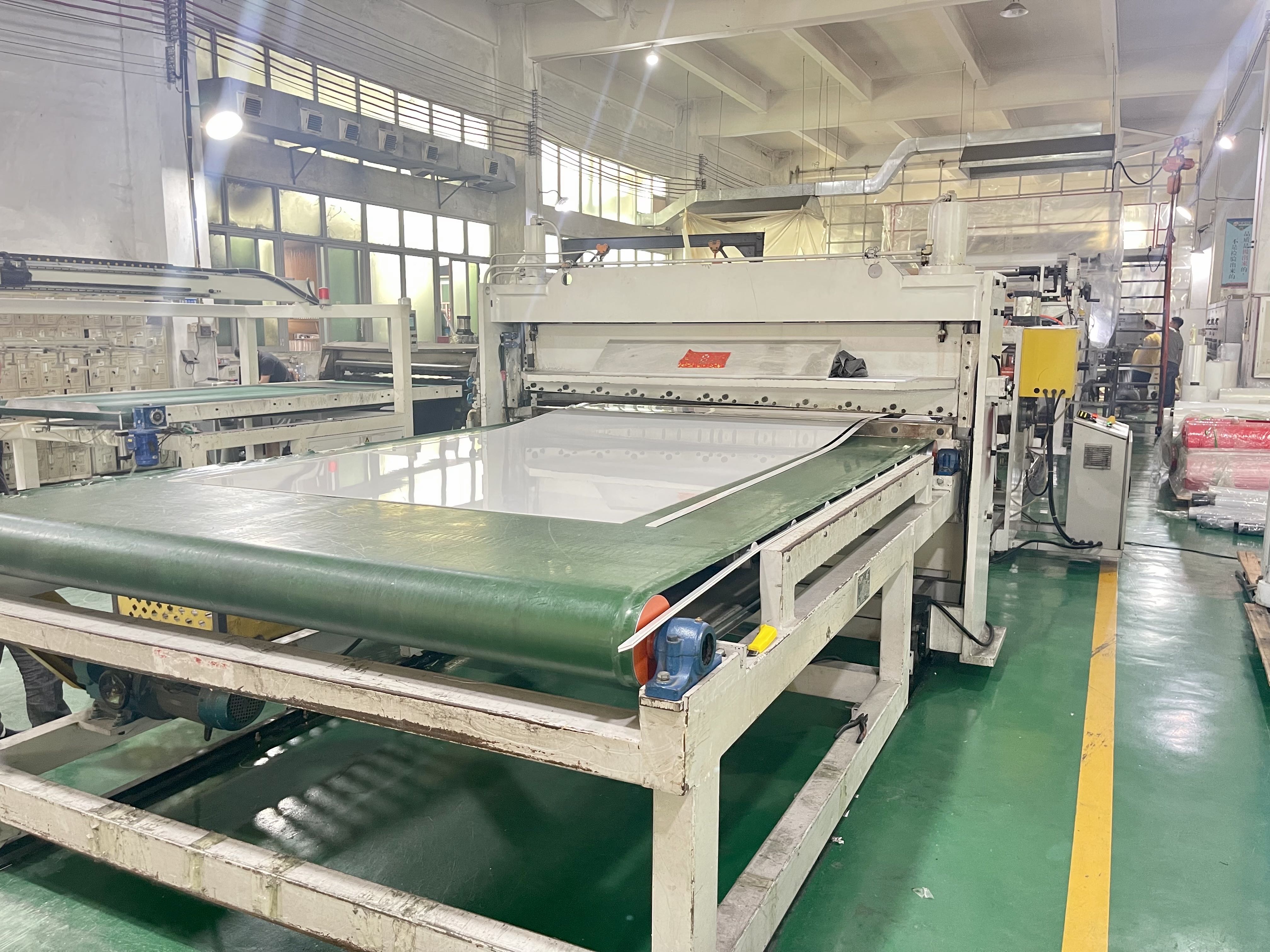
Mastering Long Size Thick Sheet Vacuum Forming: A Comprehensive Guide

Introduction to Long Size Thick Sheet Vacuum Forming
Vacuum forming is a versatile manufacturing process where a heated plastic sheet is formed over a mold using vacuum pressure. When dealing with long size thick sheet materials—typically those over 1/8 inch (3 mm) thick and several feet in length—the process requires careful control of heating, clamping, and cooling to avoid defects. This method is widely used in industries such as automotive, aerospace, and signage for producing components like truck bed liners, boat hulls, and large display panels.
Key Considerations for Long and Thick Sheets
Heating uniformity is critical for thick sheets. Unlike thin sheets that heat quickly, thick sheets need gradual, even heating to prevent the core from remaining cold while the surface overheats. Use ceramic heaters with multiple zones to control temperature distribution. Also, ensure the sheet is properly clamped to prevent sagging or thinning near the edges. A clamping frame with adjustable pressure can accommodate varying sheet thicknesses and lengths.
Material Selection for Thick Sheet Vacuum Forming
Common materials for long size thick sheet forming include ABS, polycarbonate, polypropylene, and HDPE. ABS offers good impact resistance and formability. Polycarbonate provides high strength and clarity but requires higher forming temperatures. Polypropylene is cost-effective but has a narrow temperature window. Always check the material's recommended forming temperature range to avoid overheating or inadequate flow.
Mold Design and Fabrication
Molds for thick sheets must withstand higher forces. Use aluminum or steel molds with proper draft angles (at least 3-5 degrees) to facilitate part removal. Incorporate vacuum holes strategically to ensure even suction across the large surface. For long parts, consider split molds or modular designs to handle the size. Also, include cooling channels to reduce cycle time and prevent warpage.
Step-by-Step Process for Long Size Thick Sheet Vacuum Forming
Start by cutting the sheet to size, allowing extra material for clamping. Pre-dry hygroscopic materials like polycarbonate to prevent bubbles. Heat the sheet slowly until it reaches the pliable state—typically 350-400°F for ABS. Use a thermocouple to monitor surface temperature. Once heated, drape the sheet over the mold and activate the vacuum. For deep draws, use plug assist or air pressure to distribute material evenly. Cool the part using fans or misting until it solidifies, then release the vacuum and remove the part.
Common Challenges and Solutions
Wrinkling often occurs when the sheet is too hot or vacuum applied too quickly. Reduce heating time or use a billow forming technique to pre-stretch the sheet. Thinning in corners can be mitigated by adding a pressure box or using thicker material. Non-uniform cooling leads to warpage—ensure balanced airflow and consider annealing the part after forming.
Advanced Techniques for Large Parts
For extremely long sheets (e.g., 8+ feet), use a twin-sheet forming process to create hollow parts with high rigidity. Another method is pressure forming, where positive air pressure forces the sheet into the mold, enhancing detail reproduction and reducing cycle times. Robotic trimming can automate cutting of finished parts to precise dimensions.
Safety and Maintenance Tips
Always wear heat-resistant gloves and safety glasses when handling hot sheets. Ensure the vacuum pump has sufficient capacity for large molds—a high-volume pump with a reservoir tank is recommended. Regularly clean vacuum holes and check for leaks in the system. Keep the forming area well-ventilated to expel fumes from heated plastics.
Frequently Asked Questions
What is the maximum thickness for vacuum forming long sheets?While standard vacuum formers handle up to 1/8 inch (3 mm), specialized machines can form sheets up to 1/2 inch (12 mm) or more. The key is a powerful heater and vacuum system.
How do you prevent webbing between mold details?Increase the draft angle and use a snap-back technique where the sheet is pre-stretched before contacting the mold. Adding vacuum holes near corners also helps.
Can you vacuum form polycarbonate sheets over 1/4 inch thick?Yes, but polycarbonate requires precise temperature control. Use a controlled cooling method to avoid stress cracking.
What is the typical cost for a large thick sheet vacuum forming setup?Industrial machines can range from $10,000 to $100,000 depending on size and features. For low-volume production, consider outsourcing to a professional shop.
