





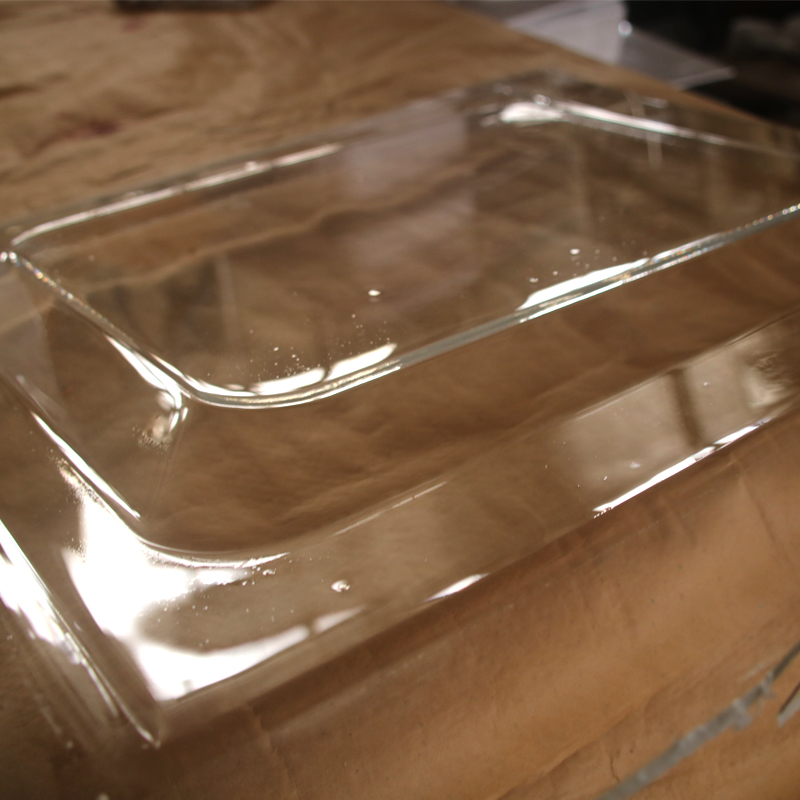
Mastering Large Vacuum Forming Shell: Techniques, Benefits, and Applications

What Is Large Vacuum Forming Shell?
Large vacuum forming shell refers to a manufacturing process where a heated sheet of thermoplastic is shaped over a large mold using vacuum pressure. This technique is ideal for producing oversized parts such as bathtubs, vehicle panels, and signage. The process typically uses materials like ABS, polycarbonate, or acrylic, which offer excellent strength and formability.
Key Benefits of Large Vacuum Forming
One of the primary advantages of large vacuum forming shell is cost-effectiveness. Tooling costs are significantly lower compared to injection molding, especially for low-to-medium volume production. Additionally, the process allows for rapid prototyping and design changes. The resulting parts are lightweight yet sturdy, making them suitable for applications where weight reduction is critical, such as in automotive or aerospace industries.
Process Overview: From Sheet to Shell
The manufacturing sequence begins with heating a thermoplastic sheet to a pliable temperature. The sheet is then draped over a large mold, and a vacuum is applied to draw the sheet tightly against the mold surface. After cooling, the formed shell is trimmed and finished. Key parameters include sheet thickness (typically 3–10 mm for large parts), mold temperature, and vacuum pressure. Proper control ensures uniform wall thickness and avoids defects like webbing or thinning.
Materials for Large Vacuum Forming Shell
Choosing the right material is crucial. Common choices include ABS for its impact resistance, polycarbonate for high heat tolerance, and acrylic for optical clarity. For outdoor applications, UV-stabilized materials are recommended. Flame-retardant grades are also available for sectors like public transportation. The material's elastic modulus and coefficient of thermal expansion affect the final part's stability.
Design Considerations for Large Shells
When designing a large vacuum forming shell, draft angles should be at least 3–5 degrees to facilitate demolding. Sharp corners should be avoided to prevent stress concentration. Ribs and gussets can enhance rigidity without adding weight. Vacuum holes must be strategically placed to ensure uniform air evacuation. For very large parts, consider using plug assist or pressure forming to improve material distribution.
Applications Across Industries
Automotive: Large vacuum forming shells are used for dashboards, door panels, and exterior body kits. Medical: MRI machine covers and patient baths. Consumer goods: Jacuzzi tubs, playground slides, and display units. Industrial: Machine enclosures and HVAC components. The versatility of the process allows for both functional and aesthetic parts.
Challenges and Solutions
Common issues include sagging (use proper sheet support), webbing (adjust mold design or vacuum sequence), and thin spots (optimize sheet heating profile). For extremely large shells, double-sided mold or twin-sheet forming may be required. Quality control measures like thickness gauging and dimensional checks ensure consistency.
Frequently Asked Questions
What is the maximum size for a vacuum formed shell?
Machines can handle sheets up to 12 feet by 8 feet or larger, but practicality depends on material stiffness and mold complexity. Parts over 10 feet may require reinforced forming tables.
How long does the mold last?
Mold life varies with material. Aluminum molds can last for thousands of cycles, while wood or resin molds are suitable for low-volume runs (100–500 parts).
Can large vacuum forming shells be painted or glued?
Yes, surface treatments like flame treating or corona discharge improve adhesion. Use paints designed for thermoplastics; epoxy or polyurethane adhesives work well for bonding.
