





Mastering Large Size Thick Vacuum Forming: A Comprehensive Guide

Introduction to Large Size Thick Vacuum Forming
Large size thick vacuum forming is a specialized thermoforming process where thick plastic sheets (typically 3-12 mm) are heated to a pliable temperature, then stretched over a mold and vacuum-sealed to create large parts. Unlike thin-gauge vacuum forming, this process handles sheets up to several meters wide, making it ideal for industrial applications like truck body panels, spa shells, and signage. The key is precise temperature control and robust equipment to handle the material's weight and thickness.
Key Equipment and Materials
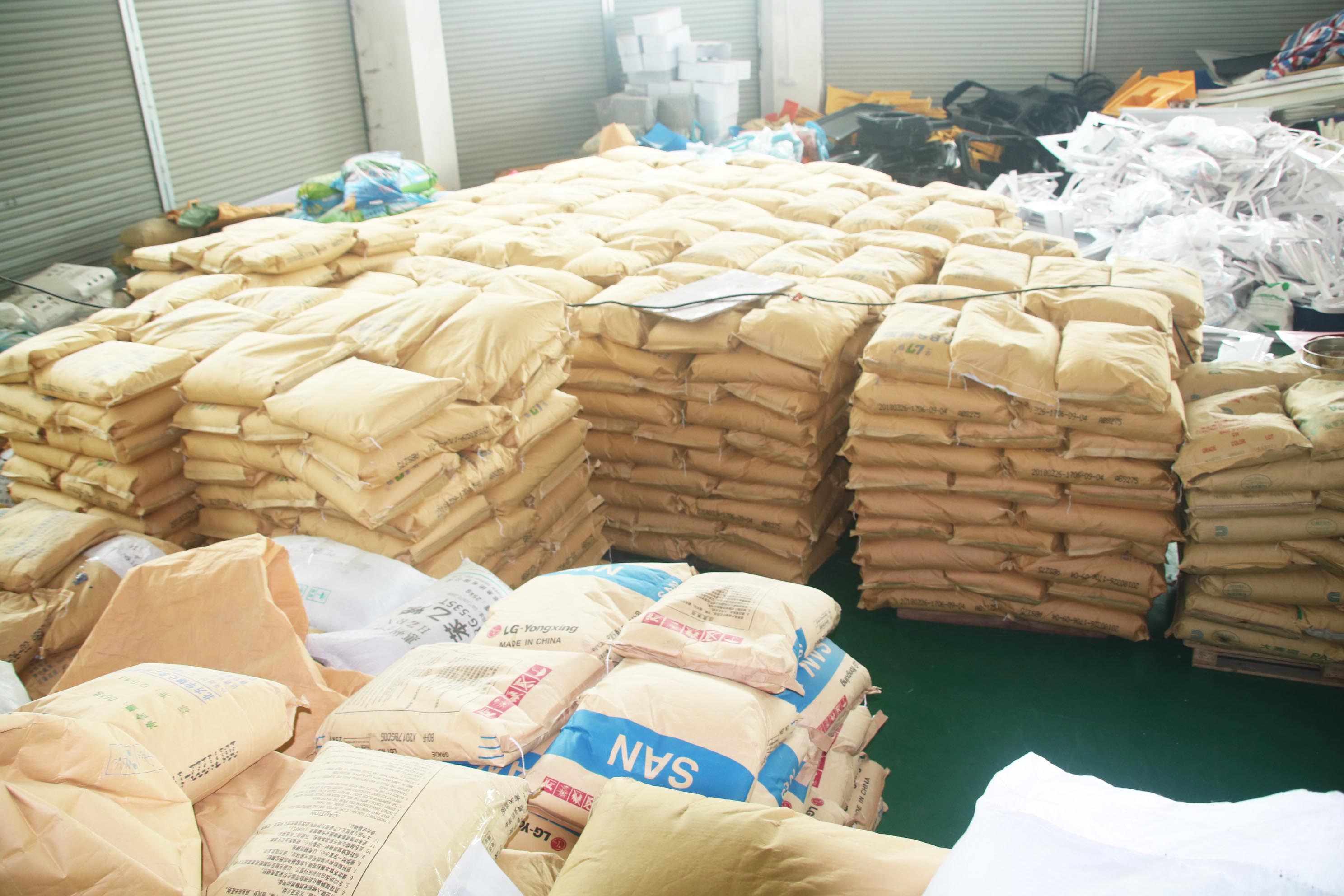
For successful large size thick vacuum forming, invest in a heavy-duty vacuum former with a large platen area (e.g., 2x3 meters) and sufficient heating power (e.g., ceramic heaters). The thermoforming machine must support even heating across the sheet—recommend using infrared heaters to avoid hot spots. Common materials include ABS, polycarbonate, acrylic, and HDPE, each chosen for impact strength or UV resistance. Sheet thickness typically ranges from 3 mm to 12 mm; thicker sheets require longer heating cycles.
Design and Mold Considerations
Mold design is critical: use aluminum or composite molds with draft angles of at least 3-5 degrees to facilitate part release. For large parts, incorporate vacuum holes (1-2 mm diameter) spaced 20-30 mm apart to ensure even suction. Undercuts should be avoided or managed with retractable cores. Consider material shrinkage (0.5-2%) and add compensation to the mold. Also, include cooling channels to regulate mold temperature—typically 60-80°C for thick sheets—preventing warpage.
Process Optimization Tips
To achieve consistent results, preheat the sheet to the material's forming temperature (e.g., for ABS: 150-180°C). Use a thermocouple or infrared sensor to monitor temperature. Slowly lower the heated sheet over the mold (avoid rapid contact). Apply vacuum gradually to prevent webbing or thin spots. Hold vacuum until the part cools below 60°C. For large parts, use female molds to reduce material thinning. Also, apply release agents like silicone spray to prevent sticking.
Applications and Benefits
Large size thick vacuum forming is used in automotive (dashboards, bumpers), aerospace (interior panels), medical (MRI machine covers), and construction (bathtubs). Benefits include low tooling costs compared to injection molding, rapid prototyping, and ability to produce large, lightweight parts with high stiffness. The process also allows for multiple textures and colors via paint or film lamination.
Troubleshooting Common Defects
Common defects include webbing (excess material bridging), which is resolved by lowering heating time or using a plug assist. Thin spots occur when the sheet stretches unevenly—adjust vacuum timing or use a thicker gauge. Warpage on cooling can be minimized by uniform cooling and using a jig or fixture. If parts stick to the mold, check for adequate draft angles or apply more release agent.
常见问题
What is the maximum sheet thickness for large vacuum forming?Typically up to 12 mm, but specialized machines can handle up to 20 mm. Thicker sheets require longer preheating and slower forming to prevent uneven distribution.
How do I reduce cycle time for thick sheets?Use preheated molds (70-80°C), efficient cooling channels, and optimize heating cycles with zoned control. Also, consider using high-flow vacuum valves for faster evacuation.
Can I use the same mold for different materials?Yes, but adjust temperature and shrinkage compensation. For example, a mold designed for ABS may need adjustment for polycarbonate, which shrinks more. Always test with the target material.
